

Our eyelids are extremely important in keeping our eyes healthy and protecting them from harm. Without them, our eyes are more prone to infection, exposure to the harsh rays of the sun, and impacts from the environment. For patients who suffer from conditions such as entropion, ectropion, blepharoptosis, dermatochalasis, eyelid growths or other pathologies that negatively affect their vision, eyelid surgery in Cape Town is available to correct these.
Dr Vayanos is an ophthalmologist experienced in functional eyelid surgery procedures. She can diagnose your medical condition and determine whether you are a suitable candidate for surgery or any other appropriate treatment.
Entropion
Entropion is an inward turning of the eyelid that causes major discomfort and irritation. This is because your skin and eyelashes rub against the surface of your eye and if left untreated, can damage your cornea, cause infections, and in some cases, vision loss. The most common cause is age-related changes to the eyelid tissue, thus usually older people are affected.
The friction that your eyelashes cause against the surface of your eye can present with the following symptoms:
- Crusting eyelid
- Mucous discharge
- Irritation or pain in your eye
- Redness
- The feeling of a foreign object in your eye
- Excessive tearing (watery eyes)
- Light and wind sensitivity
This condition can be treated conservatively with lubricating ointments, micropore tape, soft contact lenses, or artificial tears to relieve symptoms. However, to restore the anatomical position of the eyelid and fully correct it, entropion surgery is the treatment of choice. Entropion surgery is a highly delicate and specialised procedure performed by ophthalmic surgeons such as Dr Vayanos in Cape town.
Ectropion
Ectropion is an outward turning of the eyelid caused by weakening of the cartilage, soft tissue, and muscle of the lower lid. As with entropion, it is more common in older patients but can also be seen following trauma with resultant scarring and tethering of the eyelid tissues.
An ectropion can cause the following symptoms:
- Watery eye due to malposition of the eyelid and lower lid punctum (opening of tear duct)
- Exposure/drying out of the eye that could lead to a corneal ulcer
Dr Vayanos would assess whether your ectropion is mild and can be treated conservatively with lubricating eye drops and occasional courses of steroid ointments, or whether Ectropion surgery is the treatment of choice.
Blepharoplasty
Blepharoplasty is a surgical procedure where excess eyelid skin is removed from the upper and/or lower eyelids. This condition is known as dermatochalasis (excess droopy skin overhanging eyelids) and is usually caused by ageing and a genetic predisposition.
Blepharoplasty can be considered a cosmetic procedure if the dermatochalasis is mild, but it can also be viewed as functional surgery if the problem is severe, restricting one’s peripheral visual field.
The surgery involves the removal of excess skin, muscle and sometimes fat to improve peripheral visual fields, remove the excess weight on the upper lids, reduce the sagginess and give you a more youthful appearance. Dr Vayanos will explain the procedure in more detail, should you be a suitable candidate for the eyelid surgery in Cape Town.
Excision Eyelid Lesions
Eyelid lesions are “lumps/growths” that develop on the eyelid itself of on the eyelid margin.
These lesions can have various causes:
- Infection or inflammation eg. Chalazion/meibomian cyst
- Benign growths eg papillomas /warts/naevi
- Malignant tumours eg. Carcinomas/melanomas
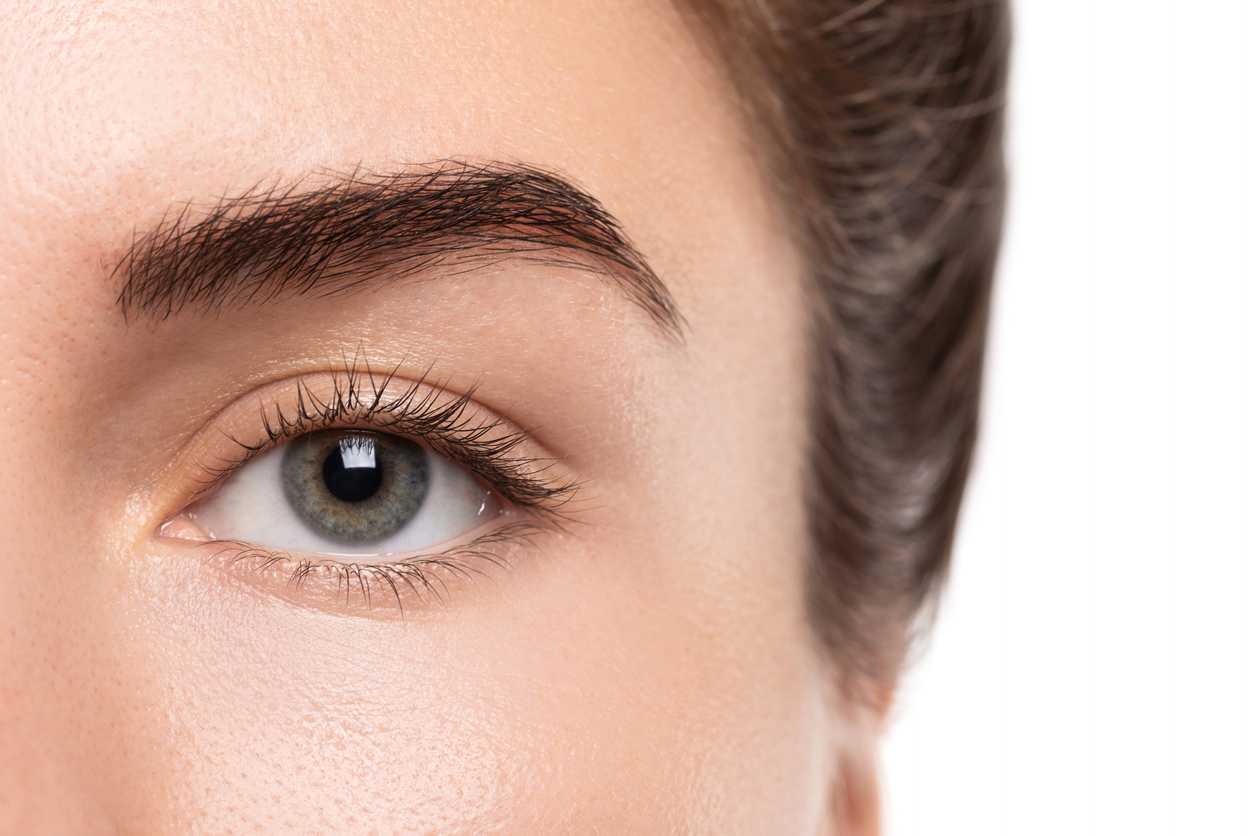
Ophthalmologist in Cape Town
Dr Vayanos is a general Ophthalmologist with oculoplastic experience. She is in full-time private practice at the Netcare Christiaan Barnard Private Hospital. One of her areas of expertise includes eyelid operations in Cape Town.
Her practice is equipped with the latest technology allowing her to give you personalised, high quality eye care with surgical precision. If you have a problem with your eyelids, we suggest you consult with Dr Vayanos.
Have any questions on eyelid surgery? We are here to help. If you do not find your answer below, get in touch with us and we will do our best to provide it.
While eyelid surgery is generally painless, some patients may experience swelling and bruising. During the recovery period, the application of cold compresses and antibiotic ointment can help alleviate swelling.
Following surgery, you may experience swelling and bruising around the eyelid for one to three weeks. The appearance of your eye may improve progressively over a period of one to three months. Typically, most patients resume public activities and return to work approximately 10 to 14 days post-surgery.
Eyelid surgery is a general term that refers to surgical procedures performed on the eyelids. Blepharoplasty, on the other hand, is a specific type of eyelid surgery. It focuses on correcting defects, deformities, and disfigurations of the eyelids.
Non-surgical options for eyelid rejuvenation, such as laser resurfacing, non-invasive skin tightening and lifting techniques, dermal fillers, micro fat grafting, and an advanced skincare regimen, can enhance the appearance of both the upper and lower eyelids for certain patients.
Eyelid surgery provides numerous advantages, including enhancing the youthful appearance of your eyes. The eyes are often among the first areas to exhibit signs of aging, and aging eyelids can create a fatigued, displeased, or melancholic expression. Cosmetic eyelid surgery can address these changes, thereby rejuvenating the appearance and contributing to a more approachable look.
There is no specific age at which one should consider eyelid surgery. Although the typical age for blepharoplasty is over 55, younger individuals who are dissatisfied with the appearance of their eyelids may also find surgical intervention beneficial.
To ensure your comfort during the procedure, you will receive either local or general anaesthesia. Local anaesthesia will numb the eyelid and surrounding area, allowing you to remain sedated but awake during the surgery. General anaesthesia will render you unconscious throughout the entire procedure.
Like all surgical procedures, eyelid surgery carries inherent risks, including potential reactions to anaesthesia and the formation of blood clots. In addition to these, less common risks associated with eyelid surgery include infection and bleeding, as well as dry and irritated eyes.